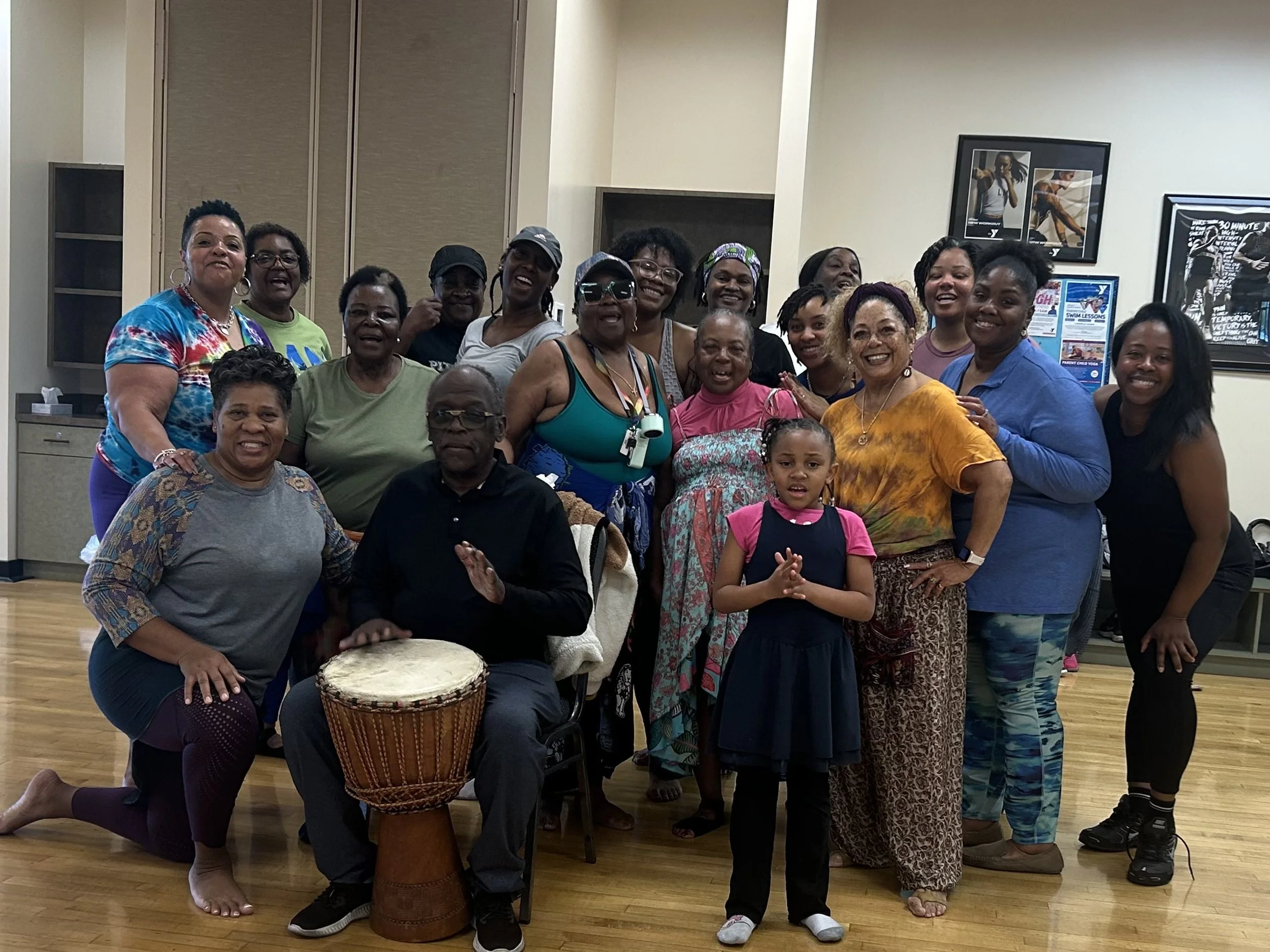
Our Story
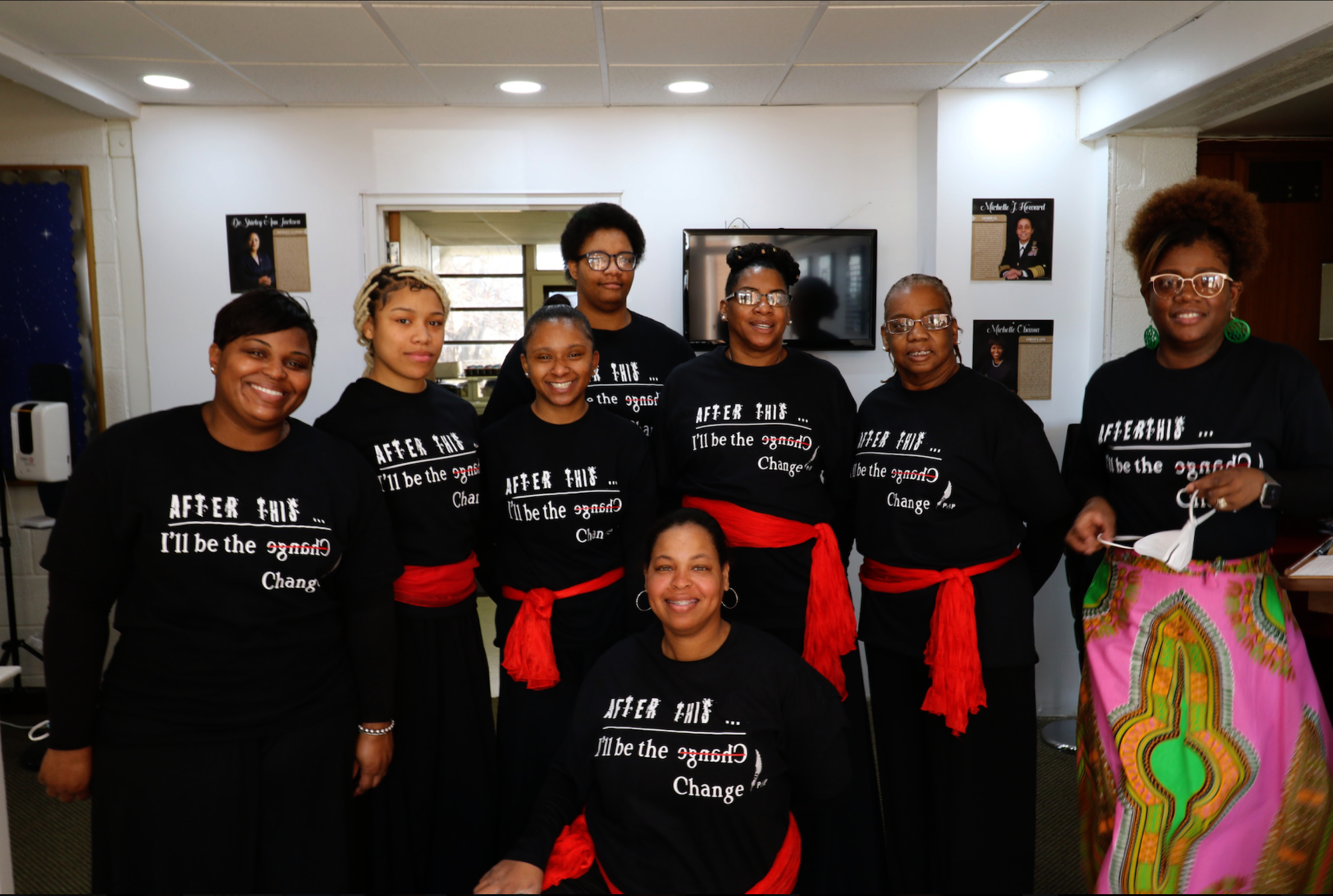
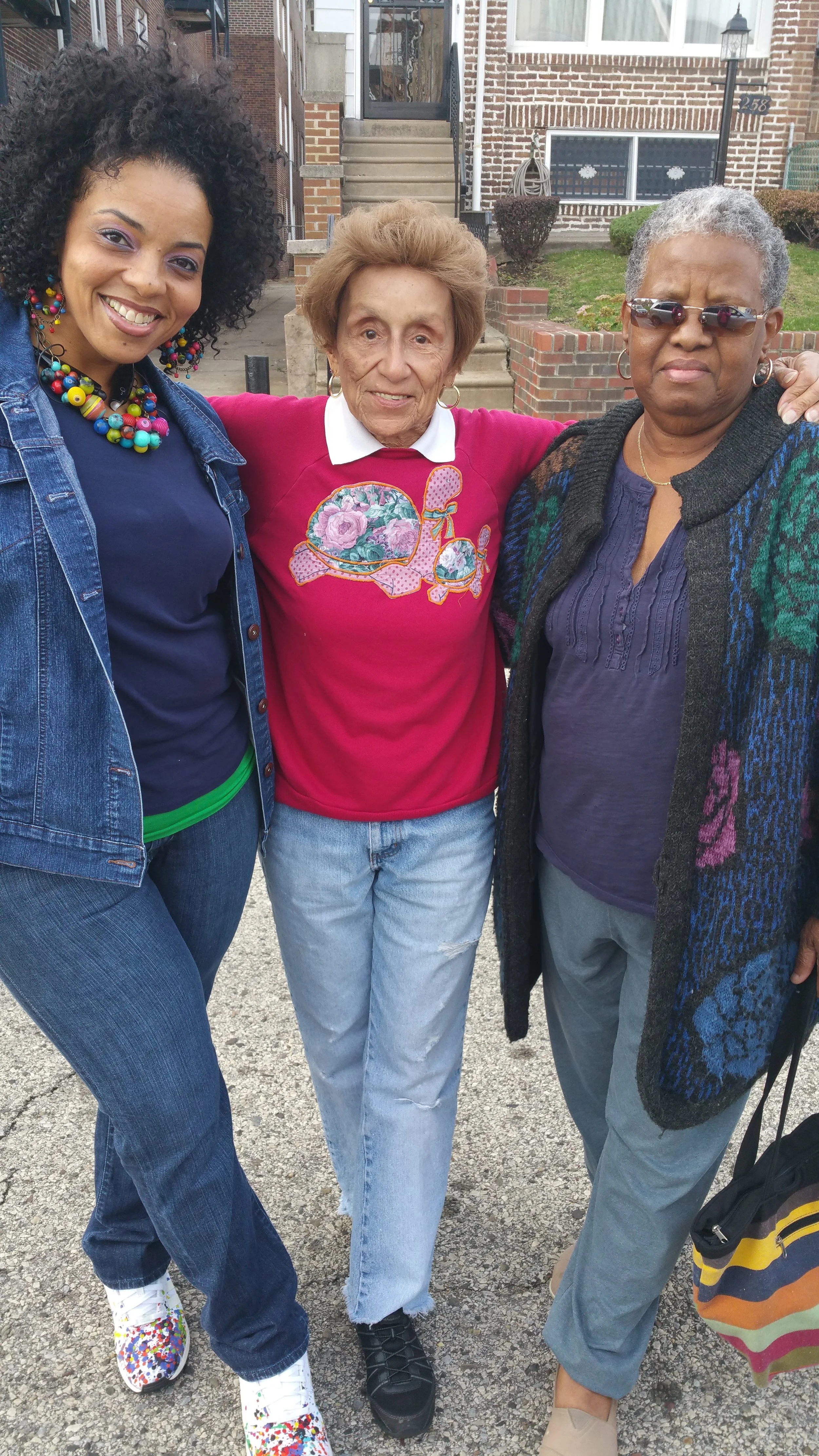
Angel of Performing Arts was founded in 2002 and became a fully operational nonprofit organization in 2023 with the desire to improve mental health and suicide prevention through the vehicle of performing and creative arts.
Angel of Performing Arts (AOPA) infuses information within orchestrated classes and theater productions that sheds light on issues such as mental health, gun violence, domestic violence, homelessness, bullying, grief, and other topics. Our creative and original programming and classes bring communities and schools together and aims to save lives while improving awareness of social issues that impact the mental health and wellness of both children and adults.
We have volunteered for more than 20 years to teach the arts in schools, both public and chartered, community centers and religious organizations. In doing so we found that arts and activities enhanced energy and pervade idle time, along with social and physical engagement being a form of therapy allowed a space to be creative. As a result, many of our students have matriculated into professional arts and creative employment, as entrepreneurs, recording artists, hair stylists, fashion designers as well as a wide range of productive and lucrative careers that can be attributive to a foundation in the arts.
AOPA unites families and communities by way of recitals and productions. To date, we have performed in countless schools, multiple cities, and created more than 50 original productions and songs combined.
Current statistics state that 21% of adults are experiencing at least one mental illness and 5.44% severe mental illness, that’s roughly 50 million people. To date five children in a classroom of 30 are likely to have a mental illness and the most diagnosed mental disorder is depression impacting an estimated 300 million people. Our country on average has about 76 deaths by suicide per day. We are not a cure, but we endeavor daily to advocate for and provide tools and services via the arts to be a part of the solution whether classes are taken individually or in conjunction with other preferred coping methods.